Work deadlines, family responsibilities, WhatsApp messages that never stop, bills that still need to be paid, and a mind that won’t switch off at bedtime can leave you feeling overwhelmed. When everything demands your attention at once, it can be difficult to know what will actually help.
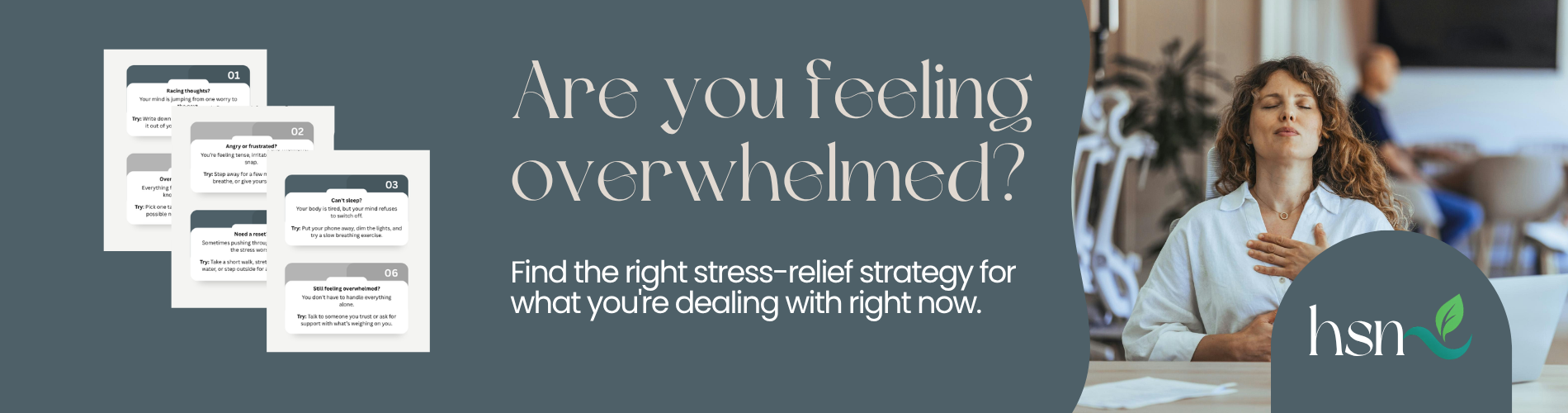
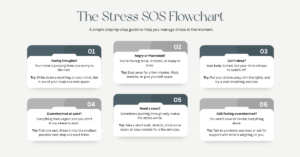
This guide breaks down practical stress management techniques South Africa readers can use in different situations. Rather than relying on generic advice, we’ve drawn on trusted, evidence-based health guidance to explain what can help, when to use it, and how to put it into practice. Use the Stress SOS Flowchart below to find a starting point based on what you’re experiencing right now.
Key Takeaways
- The best stress management technique depends on what is causing your stress and how it affects you.
- Not every stressful situation needs the same response, which is why choosing the right technique matters.
- The Stress SOS Flowchart helps you find a practical stress relief strategy for the situation you’re facing.
What are the best stress management techniques South Africa?
The best stress management techniques South Africa include regular physical activity, relaxation techniques, healthy sleep habits, and a balanced diet. These healthy habits can help lower stress, improve your mood, and support both your physical and mental well-being. The most effective technique depends on what is causing your stress.
Why the best stress relief depends on what you’re feeling
Stress can show up in different ways, which is why the same stress management technique doesn’t always work. Racing thoughts, anger, physical tension, poor sleep, and work-related stress may all be linked to stress, but they don’t affect your mind and body in the same way. Using a technique that doesn’t match what you’re experiencing can leave you feeling as though nothing is helping.
The Stress SOS Flowchart is designed to take the guesswork out of managing stress. Instead of trying the same approach every time, it helps you identify what you’re experiencing and points you towards a response that fits the situation.
The Stress SOS Flowchart
What relieves stress immediately?
You can relieve stress within minutes by using techniques that calm your mind and body. Deep breathing, grounding exercises, gentle movement, and sensory techniques such as splashing cold water on your face can help reduce your body’s stress response and help you feel more in control.
- Slow, controlled breathing can help slow your heart rate and reduce your body’s stress response.
- Focusing on your surroundings, such as naming things you can see or hear, can help bring your attention back to the present.
- Taking a short walk, stretching, or shaking out your arms and legs can help release built-up physical tension.
- Splashing cold water on your face or hands can help reduce stress and promote calmness.
Why trying to “calm down” often makes stress feel worse
Trying to “calm down” isn’t always as straightforward as it sounds. When something is weighing on your mind, it’s difficult to switch those thoughts off just because you want to. You may still be thinking about tomorrow’s meeting, an argument that upset you, or money that’s been worrying you. When those thoughts are still there, telling yourself to “calm down” can become frustrating because nothing really feels different.
That’s also why a single stress-relief technique doesn’t suit every situation. When your thoughts won’t stop circling, grounding techniques can help pull your attention away from worry for a while. Stress can also feel more physical than mental. You might notice stiff shoulders, a tight jaw, or that you keep getting up from your chair. In that case, moving around for a few minutes often feels better than sitting there trying to relax. And if the room around you is noisy, your phone won’t stop buzzing, or people keep interrupting you, even a short change of scenery can help you reset before going back to whatever needs your attention.
When immediate stress relief isn’t enough
There’s nothing wrong with using quick stress relief when you need it. Simple stress relief at home can also give you a chance to reset when the same source of stress keeps coming back. Taking a few minutes to reset can help you get through a difficult moment. The problem is when you find yourself relying on the same coping strategies every day because the same source of stress never goes away.
If you find yourself relying on the same stress-relief methods day after day, it’s worth asking why the stress keeps coming back. Quick techniques can help in the moment, but they won’t change the root cause of your stress. If you keep feeling stressed for the same reason, the cause of that stress needs attention too.
Is unemployment the source of ongoing stress? These stress management techniques for dealing with unemployment offer practical ways to cope with the uncertainty and pressure that can come with looking for work.
How can you reduce stress naturally every day?
You can reduce stress naturally by building healthy habits into your daily routine. Getting enough sleep, staying physically active, eating regular meals, and spending time outdoors can help your mind and body cope better with everyday stress.
Sleep is one of the biggest stress management tools
Poor sleep doesn’t just leave you feeling tired. It also affects the way your brain responds to stress the next day. After a restless night, it’s easier to lose patience, feel overwhelmed by small setbacks, or struggle to concentrate because your mind hasn’t had enough time to recover. When this happens over several days or weeks, things that normally wouldn’t bother you can start to feel overwhelming.
Improving your sleep is one of the most effective ways to support your body’s natural ability to cope with stress. Good sleep hygiene, such as keeping a regular bedtime, avoiding screens before bed, and creating a cool, dark, quiet bedroom, helps create the right conditions for quality sleep. Magnesium glycinate is also included in many bedtime routines because it supports relaxation and healthy sleep. Products such as Natural Options Magnesium Glycinate are best used alongside healthy sleep habits rather than as a replacement for them or a cure for stress.
Skipping meals can make stress feel worse
When you’re busy, breakfast or lunch is often the first thing to be skipped. You tell yourself you’ll eat later, but meetings run over, errands take longer than expected, and suddenly it’s late afternoon, and you still haven’t had a proper meal. After hours without eating, your blood sugar starts to drop because your body has used the energy from your last meal. That can leave you feeling tired, hungry, irritable, and unable to concentrate. Even small problems can start to feel much bigger when you’re running low on energy.
There will be mornings when you don’t have time to make breakfast or days when lunch gets pushed back, but going for hours without eating usually leaves you feeling worse. Keeping a convenient snack nearby can help until you have time for a proper meal. The Umoya Foods Seli Cacao Cereal Bar is an easy option to keep in your bag or at your desk for busy mornings. It’s there to help when life gets in the way, not to replace balanced meals in your daily routine.
Healthy snacks can make stressful days easier
Stressful days don’t always leave you with the time or energy to cook. For simple stress relief at home, having a few healthier snacks ready can take one more decision off your plate. After a long day, making dinner from scratch isn’t always realistic.
Keeping simple foods on hand can make busy days easier and help you reduce stress naturally when you’re already stretched for time. Fresh fruit, unsalted nuts, plain yogurt, vegetable sticks with hummus, wholegrain crackers with peanut butter, or a freeze-dried apple snack are all easy options to keep nearby. If fresh fruit isn’t practical, the Eterna Treats Freeze-Dried Apple Snack Pack is another convenient choice to keep in your bag, desk drawer, or car. It’s a handy snack for busy days, but it works best as part of an overall balanced diet rather than as a replacement for regular meals.
How do you cope with work stress in South Africa?
Coping with work stress in South Africa involves setting healthy boundaries, managing your workload, and making time to recover outside of work. Small, practical changes throughout the day can help you feel more in control and reduce the impact of ongoing work-related stress.
- Prioritize your tasks by focusing on what needs to be done first, rather than trying to do everything at once.
- Set boundaries between work and personal time by avoiding work emails and messages after hours whenever possible.
- Get up and move regularly if you spend most of your day at a desk, even if it’s only for a few minutes.
- Make time to recover after work by doing activities that help you switch off, rather than thinking about work all evening.
The habits that quietly increase work stress
Work stress isn’t only about deadlines or a heavy workload. Everyday habits can keep your mind in “work mode” long after the working day has ended. Reading and replying to work emails after hours makes it difficult to switch off, while eating lunch at your desk means your brain never gets a proper break from work.
Sitting for long periods can leave you feeling stiff and mentally drained. Feeling guilty about logging off on time or believing you always need to be available makes it easier to answer “just one more email,” even when your workday is supposed to be over.
What if you can’t change your workload?
Not every job allows you to reduce your workload. Tight deadlines, staff shortages, and demanding roles are a reality for many people. If your workload isn’t going to change any time soon, the way you manage your day becomes even more important.
You can’t always decide how much work you have, but you can decide which tasks need your attention first instead of trying to do everything at once. Setting boundaries around your working hours also becomes more important because it gives you time to switch off instead of taking work into your evenings. If you’re struggling to keep up, speaking to your manager or asking a colleague for support can help before the pressure becomes too much. Once your workday is over, make time for things that help you recover, whether that’s spending time with family or friends, exercising, enjoying a hobby, or getting enough sleep. Going straight from one stressful day into the next without giving yourself time to recover can leave you feeling mentally and physically exhausted.
If you need something to help take your mind off work once you’ve logged off, a short home workout can be an easy form of stress relief at home. Even a short workout can give you something else to focus on while getting your body moving.
What mental health habits help you manage stress over time?
Healthy daily routines, such as getting enough sleep, staying physically active, maintaining social connections, and setting healthy boundaries between work and personal life, can make a real difference when you’re dealing with ongoing stress. These habits are among the most practical mental health tips SA readers can use to support their mental well-being.
Why your nervous system needs recovery, not just relaxation
Watching TV or scrolling through social media can take your mind off a stressful day, but distraction isn’t always the same as recovery. You can spend an hour on your phone and still feel mentally drained because your brain has been taking in more information instead of getting a break.
Recovery looks different. A good night’s sleep, a walk, time spent on a hobby, or catching up with family and friends gives you a chance to step away from the constant stream of messages, notifications, and demands. That’s why you feel more refreshed afterward than you do after spending hours scrolling through social media or watching television.
When stress becomes something more serious
If your stress doesn’t improve, starts affecting your sleep, relationships, work, or daily responsibilities, or leaves you feeling constantly anxious, emotionally exhausted, or unable to switch off, it may be a sign that you’re dealing with more than everyday stress.
Consider consulting a healthcare professional. They can help you determine if your symptoms are due to stress, anxiety, or burnout, and recommend the right support or treatment.
Conclusion: Finding the right response when stress hits
When stress catches you off guard, you don’t need to remember every stress management technique you’ve learned. Keep the Stress SOS Flowchart nearby and use it as a starting point whenever you feel overwhelmed. It can help you decide what to do next without having to figure everything out in the middle of a stressful moment.
Stress is part of life, and every stressful situation is different. Instead of expecting one technique to work every time, focus on finding the response that best matches what you’re experiencing.
FAQs about the SOS Flowchart
What are the five stress management techniques?
Deep breathing, regular physical activity, good time management, relaxation techniques such as mindfulness or progressive muscle relaxation, and staying connected with family and friends are five ways to help manage stress.
How to calm your nervous system?
You can calm your nervous system by using grounding techniques, slow, controlled breathing, gentle movement, or changing your environment for a few minutes. These techniques help reduce your body’s stress response and make it easier to regain a sense of calm and control.
What relieves stress immediately?
Step away from the situation for a few minutes, go for a short walk, or splash cold water on your face. These actions can help you feel less overwhelmed so you can deal with the situation more calmly.