
Have you ever stood in the grocery store wondering whether you’re actually buying healthy food? Or looked online only to find meal plans filled with ingredients you’ve never heard of or can’t easily find in South Africa?
A healthy eating plan should make life easier, not more confusing. It isn’t about eating perfectly every day. It’s about choosing balanced, nourishing foods most of the time so you can lose weight if that’s your goal, feel more energised, and support your long-term health. In this guide, you’ll learn how to build a way of eating that’s realistic, affordable, and easy to maintain.
Key Takeaways
- A healthy eating plan should be realistic, flexible, and suited to your budget, lifestyle, and food preferences. You do not need expensive ingredients or complicated recipes to eat well.
- Aim to build most meals around a source of protein, fibre-rich carbohydrates, vegetables or fruit, and a small amount of healthy fat. This combination can help you feel satisfied for longer and maintain steadier energy levels throughout the day.
- Healthy eating does not require cutting out bread, rice, pap, potatoes, or other carbohydrates. Portion size, overall balance, and what you eat consistently matter more than avoiding one particular food group.
- If weight loss is your goal, focus on small changes that create a manageable calorie deficit without leaving you constantly hungry. You can use our BMI and TDEE Calculator to estimate how many calories your body may need each day.
- Protein and fibre can make weight loss easier by helping meals feel more filling. Affordable options include eggs, pilchards, beans, lentils, chicken livers, plain yoghurt, oats, frozen vegetables, and seasonal produce.
- Eating healthily does not have to cost more. Planning meals, buying seasonal produce, using frozen vegetables, choosing dried beans and lentils, and cooking with simple staple ingredients can all reduce food costs. Find more ideas in our guide to affordable healthy food in South Africa.
- Water should be your main drink. Sugary soft drinks, fruit juices, sweetened coffee, and energy drinks can add a significant number of calories without keeping you full.
- Avoid extreme diets, unnecessarily cutting out food groups, or skipping meals simply to save calories. These approaches can leave you tired and overly hungry, making the plan more difficult to maintain.
- One takeaway, celebration, or less-balanced meal will not undo your progress. Return to your normal routine at the next meal instead of trying to compensate by severely restricting your food intake.
- Consistency matters more than perfection. Begin with one or two manageable habits, such as adding vegetables to dinner, including protein at breakfast, or drinking more water, and build from there.
- Pregnancy changes the body’s nutritional requirements, so a standard weight-loss eating plan may not be appropriate while expecting. Read our pregnancy diet plan for guidance on supporting maternal health and a baby’s development.
What Is a Healthy Eating Plan?
A healthy eating plan is a realistic way of choosing foods that support your body, energy, and long-term health. It includes a balance of whole foods like vegetables, fruit, lean protein, whole grains, healthy fats, and enough water throughout the day.
For South Africans, this does not mean cutting out pap, rice, bread, potatoes, or the foods you grew up with. It means learning how to build better plates, manage portions, and include more nourishing foods in a way that still fits your budget, routine, and culture.
Why Healthy Eating Does Not Have to Be Perfect
Healthy eating is not about getting every meal right. There will be busy days, family braais, takeaways, celebrations, and moments where convenience wins. That does not mean you have failed.
What matters most is what you do most of the time. A healthy eating plan should give you structure without making food feel stressful. When you focus on balance instead of perfection, it becomes easier to stay consistent and enjoy your meals without guilt.
The Difference Between Healthy Eating and Extreme Dieting
Healthy eating is about giving your body the nutrients it needs while enjoying a variety of foods. Extreme dieting, on the other hand, often relies on strict rules, cutting out entire food groups, or eating far fewer calories than your body needs.
While restrictive diets may promise quick results, they’re often difficult to maintain and can leave you feeling hungry, tired, or frustrated.
How to Start Healthy Eating
Before starting a healthy eating diet plan, there are a few simple habits that can make the journey easier. Focusing on these from the beginning can help you build a routine that’s realistic, sustainable, and easier to stick with.
- Start with small changes you can stick to: Focus on changing one habit at a time, such as drinking more water or adding vegetables to one meal each day.
- Choose whole foods more often: Fill your plate with foods like vegetables, fruit, lean proteins, whole grains, beans, and healthy fats whenever you can.
- Build balanced meals: Include a source of protein, fibre-rich carbohydrates, healthy fats, and vegetables to help you stay full and support steady energy levels.
- Be mindful of portion sizes: You don’t need to measure every bite, but paying attention to portions can help you reach your goals without feeling restricted.
- Plan ahead when possible: Preparing a few meals or keeping healthy snacks on hand makes it easier to make better food choices on busy days.
- Stay hydrated: Drinking enough water throughout the day supports your body’s normal functions and may help prevent thirst from being mistaken for hunger.
What Should You Eat on a Healthy Eating Plan?
There isn’t one list of foods you have to eat to be healthy. Think of these as ideas you can mix and match based on your preferences, budget, and lifestyle. You don’t need to eat every food on this list every day, and missing a healthy meal doesn’t mean you’ve failed. Simply get back to your usual routine at your next meal.
Healthy Breakfast Ideas
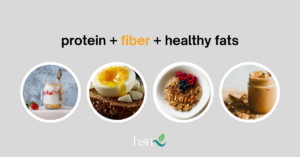
Start your day with a meal that combines protein, fibre, and healthy fats to help keep you full for longer. Some great options include:
- Plain yoghurt with fruit and muesli or oats
- Eggs on wholewheat toast
- Oatmeal topped with berries and nuts
- A smoothie made with fruit, spinach, plain yoghurt, and peanut butter
Balanced Lunch Options
Aim for meals that include lean protein, vegetables, and a high-fibre carbohydrate. For example:
- Grilled chicken salad with brown rice or quinoa
- Tuna or chicken wholewheat wrap with salad
- Leftover lean meat with vegetables
- Lentil or bean soup with wholewheat bread
Simple Dinner Ideas
Dinner doesn’t need to be complicated. Focus on building a balanced plate with protein, vegetables, and a healthy carbohydrate, such as:
- Grilled chicken, fish, or lean beef with vegetables and sweet potato
- Beef or chicken stir-fry with brown rice
- Baked fish with roasted vegetables
- Bean or lentil curry served with brown rice
Better Snack Choices Between Meals
If you feel hungry between meals, choose snacks that help keep you satisfied instead of causing an energy crash. Good options include:
- Fresh fruit
- A handful of unsalted nuts
- Plain yoghurt
- Vegetable sticks with hummus
- Boiled eggs
Drinks That Support Better Health
Water should be your main drink throughout the day. You can also enjoy:
- Sparkling water
- Tea or coffee with little or no added sugar
- Low-fat milk
Try to limit sugary soft drinks, energy drinks, and fruit juices, as they can add a lot of sugar without keeping you full [heart.org].
Affordable Healthy Eating SA
Eating well doesn’t have to mean buying expensive “health” foods or shopping at specialty stores. A healthy eating plan can be affordable when you focus on simple, nutritious ingredients that are easy to find in most South African supermarkets.
Affordable Healthy Foods You Can Buy in South Africa
Some of the best healthy food choices SA has to offer are also some of the most affordable. Consider adding these to your shopping list:
- Oats
- Brown rice or maize meal
- Eggs
- Pilchards or canned tuna
- Dried beans, lentils, and chickpeas
- Frozen vegetables
- Seasonal fruit and vegetables
- Plain yoghurt
- Peanut butter (without added sugar)
Budget-Friendly Protein Options
You don’t have to spend a fortune to get enough protein. Here are a few affordable options that can usually be found for under R100 at most South African supermarkets (prices may vary by store and location):
| Food | Approx. Protein |
| 6 large eggs | ~36 g (about 6 g each) |
| 400 g can of pilchards | ~80-90 g |
| 500 g dried lentils | ~120 g |
| 500 g dried beans | ~100-110 g |
| 400 g peanut butter | ~90-100 g |
| 1 kg plain yoghurt | ~35-40 g |
| 500 g chicken livers | ~90-100 g |
| 170 g can of tuna | ~35-40 g |
Tip: Beans and lentils are some of the best-value protein sources you can buy. They’re inexpensive, high in fibre, and can be used in soups, stews, curries, and salads to make meals more filling.
If you’re looking for even more budget-friendly shopping ideas, read our guide to affordable healthy food in South Africa.
Top Tips for Eating Healthy
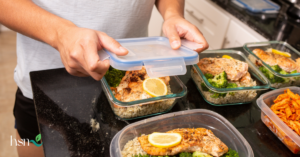
Healthy eating is easier when you work with your body instead of against it. These tips can help you manage hunger, improve your energy levels, and build habits that are easier to maintain.
Foods That Help You Feel Fuller Longer
One of the biggest reasons people stop following a healthy eating plan is because they’re hungry all the time [healthline.com]. Instead of eating less, focus on eating foods that keep you satisfied for longer.
Try to include protein and fibre at every meal. For example, eating eggs on wholewheat toast will usually keep you full longer than toast on its own. Similarly, adding beans to a salad or having plain yoghurt with fruit instead of sugary cereal can help reduce hunger between meals.
If you find yourself reaching for snacks an hour after eating, your meals may not contain enough protein, fibre, or healthy fats.
Why Protein and Fibre Matter for Weight Loss
Protein and fibre slow down how quickly food leaves your stomach, helping you stay full for longer. Research has consistently shown that higher-protein meals can reduce hunger and help people eat fewer calories naturally, while fibre supports healthy digestion and adds bulk to meals [pmc.ncbi.nlm.nih.gov]. They can make it easier to maintain a calorie deficit without constantly feeling hungry.
Aim to include a source of protein, such as eggs, chicken, fish, beans, lentils, or plain yoghurt, along with fibre-rich foods like vegetables, fruit, oats, or whole grains in most meals.
Healthy Eating Plan to Lose Weight Without Feeling Miserable
Losing weight doesn’t mean cutting out bread, never eating dessert again, or avoiding every braai. In fact, making foods feel “off limits” often makes them harder to resist.
Instead, build most of your meals around nutritious foods and leave room for the foods you enjoy. One takeaway meal or birthday celebration won’t ruin your progress. What matters is getting back to your usual routine afterwards instead of deciding you’ve “failed” and giving up altogether.
Not sure how much you should be eating? Start by using our BMI Calculator & TDEE Calculator to estimate your daily calorie needs.
Common Weight Loss Mistakes That Slow Progress
Even with the best intentions, it’s easy to fall into habits that make weight loss feel harder than it needs to be.
Let’s discuss them all!
-
Skipping meals to save calories
Skipping breakfast or lunch might seem like a good way to eat less, but it often leaves you so hungry that you overeat later in the day.
-
Cutting out entire food groups
You don’t need to avoid carbohydrates or fats to lose weight. Foods like oats, brown rice, potatoes, fruit, and healthy fats all have a place in a balanced diet.
-
Drinking your calories
Soft drinks, sweetened coffees, fruit juices, and sugary energy drinks can add hundreds of calories without helping you feel full.
-
Expecting results too quickly
Healthy, sustainable weight loss takes time. Building habits you can maintain for months or years is far more effective than following an extreme diet for a few weeks.
-
Giving up after one unhealthy meal
One meal doesn’t undo your progress, just as one healthy meal doesn’t transform your health overnight. Consistency matters much more than perfection.
Conclusion: Don’t Throw Away All Your Progress
A healthy eating plan isn’t about being perfect, it’s about making better choices more often. Small, consistent habits can have a bigger impact on your health than following an extreme diet you’ll struggle to maintain. Focus on building balanced meals, choosing nutritious foods you enjoy, and making changes that fit your lifestyle.
If you’re expecting, your nutritional needs are different. Our pregnancy diet plan explains how to support both your health and your baby’s development.
Frequently Asked Questions About a Healthy Eating Plan
What is the healthiest food routine?
The healthiest food routine is one that includes regular, balanced meals instead of skipping meals or relying on snacks throughout the day. Try to eat a source of protein, high-fibre carbohydrates, vegetables or fruit, and healthy fats at most meals while drinking enough water to stay hydrated.
What is the healthiest eating plan?
A healthy eating plan is built around whole, nutrient-rich foods rather than strict food rules. It should include vegetables, fruit, lean protein, whole grains, healthy fats, and enough flexibility to enjoy your favourite foods occasionally without feeling guilty.
What is the best meal plan to follow?
The best healthy eating meal plan is one that you can realistically follow every week. Choose meals that fit your budget, schedule, and preferences while including protein, fibre, and vegetables to help keep you full and energised.
What is the most effective eating pattern?
The most effective healthy eating plan for weight loss focuses on eating balanced meals consistently instead of following restrictive diets. Prioritising protein, fibre, portion control, and regular physical activity is more likely to produce lasting results than quick-fix eating plans.
What is the easiest healthy eating plan?
A simple meal plan for beginners SA could include oats or eggs for breakfast, a chicken or bean salad for lunch, and grilled chicken or fish with vegetables and rice for dinner. Using affordable staples like eggs, beans, lentils, oats, seasonal produce, and canned fish makes healthy eating easier and more budget-friendly.
What is a balanced diet?
A balanced diet South Africa includes foods from all the major food groups in the right proportions. Fill half your plate with vegetables, a quarter with lean protein such as chicken, fish, eggs, or beans, and the remaining quarter with high-fibre carbohydrates like brown rice, wholewheat bread, or sweet potato.
What is the 80/20 eating rule?
The 80/20 rule means choosing nutritious foods for around 80% of your meals while leaving room for treats or favourite foods the remaining 20% of the time. This flexible approach can make a healthy eating diet plan easier to maintain because it encourages long-term consistency rather than perfection.
