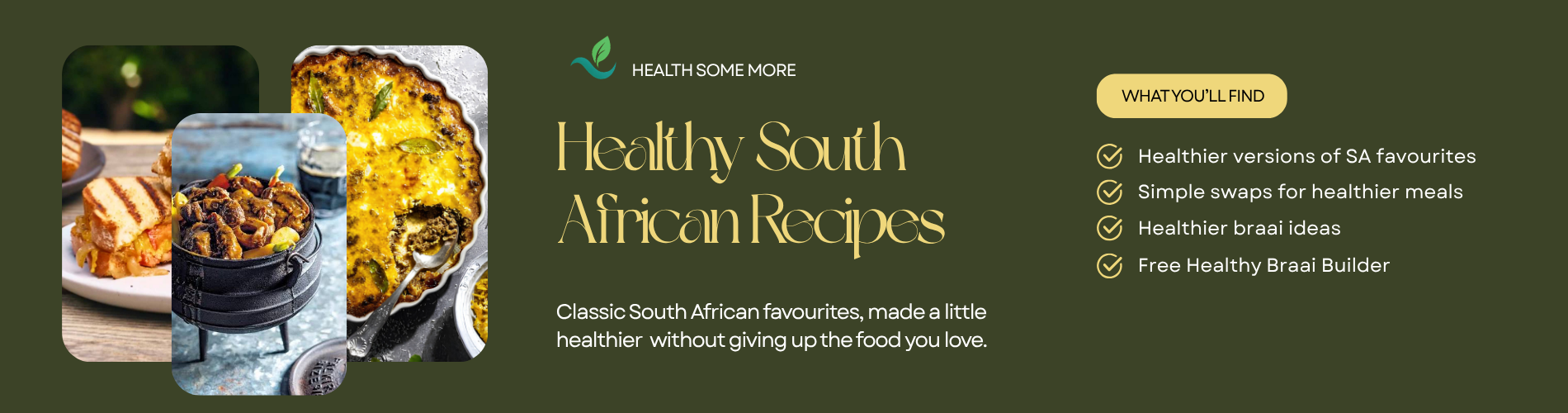
You don’t need to say goodbye to bobotie, curry, or a Saturday afternoon braai just because you’re trying to eat better.
Sometimes the dish itself isn’t even the problem. It might be the amount of oil going into the pot, the fatty cut of meat you always buy, or the fact that half the plate ends up being pap with barely a vegetable in sight.
That’s what we’re changing here.
These healthy South African recipes take food you already know and show you the small swaps that can make it better for you, without turning dinner into something nobody actually wants to eat.
Key Takeaways
- You can make traditional South African meals healthier without sacrificing the flavours you love.
- Simple changes to ingredients and cooking methods can improve your meals.
- A healthy diet can include affordable foods that fit into your everyday life.
- You can enjoy braai food while still making choices that support your weight-loss goals.
What are healthy South African recipes?
Healthy South African recipes are nutritious versions of traditional South African food. They focus on wholesome ingredients, balanced portions, and cooking methods that support a healthy diet while keeping the flavours that make these recipes enjoyable. This allows you to enjoy the food you love while making choices that support your health and overall well-being.
You don’t have to give up your favourite meals
There’s a common idea that once you start eating healthier, the food you grew up with has to go. Suddenly it’s salads for lunch, grilled chicken for dinner, and bobotie, curry or a plate of pap gets put on the “bad” list.
But healthy eating isn’t determined by whether a dish is traditionally South African. What matters is your overall eating pattern, including how often you eat certain foods, how they’re prepared, what you serve alongside them, and how much ends up on your plate.
In fact, South Africa’s food-based dietary guidelines specifically encourage enjoying a variety of foods rather than cutting entire types of food from your diet [fao.org].
So, no, your family favourites aren’t automatically off the menu.
You can, for example, keep the curry itself flavour-packed, but serve it with a smaller portion of rice and extra vegetables.
How can you make traditional South African meals healthier?
You can make traditional South African meals healthier without losing what makes them familiar. Braai chicken instead of frying it, bulk up bredies with vegetables, add beans to chakalaka, or serve curry with less rice and more veg. Even pap can stay on the plate, but the portion and what you serve with it matter.
The secret (methods often matter more than the recipe)
Did you know that the way you cook food can affect its nutritional value? Research suggests that different cooking methods can change the nutrient content of food, which is why how you prepare your meals can be just as important as the ingredients you choose [nih.gov].
Instead of frying meat or vegetables, try baking, grilling, roasting, steaming, or air-frying them. You can also reduce the amount of oil you use by choosing cooking methods that need little or no added fat. When preparing traditional dishes, use herbs, spices, garlic, onions, and other flavourful ingredients to add taste without relying on too much salt. You can also experiment with homemade sauces and marinades, choose leaner cuts of meat, and trim visible fat before cooking.
The way you prepare vegetables can make a big difference. Steaming or lightly cooking vegetables can be an alternative to frying, while roasting can bring out their natural flavour without requiring much added oil or salt.
What are some healthy South African recipes to try?
You can try healthier versions of South African favourites such as bobotie, bredie, grilled snoek, and chicken sosaties. These recipes can be adapted with healthier cooking methods and ingredients while still keeping the traditional flavours.
Healthy versions of South African favourites
You can still enjoy your favourite South African dishes by making the following changes:
| Dish | Healthier Version |
| Bobotie | Choose lean beef mince, bulk the filling out with grated carrot or lentils, and use low-fat milk for the egg topping. Serve with vegetables or salad instead of making rice the biggest part of the plate. |
| Chicken bredie | Use skinless chicken, cook the onion and spices in less oil, and add more vegetables such as carrots, green beans, cabbage or courgettes to the pot. |
| Curry | Choose lean chicken, beef or lentils and use less oil when frying the onions and spices. Keep the curry itself flavour-packed, but serve it with a smaller portion of rice and extra vegetables. |
| Snoek | Skip heavy butter-based sauces and very sugary glazes. Braai or grill the snoek with lemon, garlic and herbs, or use a smaller amount of apricot glaze for the familiar sweet-and-savoury flavour. |
| Chakalaka | Add beans such as sugar beans or baked beans to the vegetables for extra fibre and plant protein. If you’re using canned beans, look for a lower-sodium option or rinse them before adding. |
| Beef potjie | Choose a leaner cut of beef, trim visible fat and let vegetables such as carrots, cabbage, green beans and butternut take up more space in the pot. You can also use less oil at the start since the meat will release some fat as it cooks. |
| Samoosas | Keep the spiced filling, but bake or air-fry the samoosas with a light brushing of oil instead of deep-frying them. Try fillings such as lean mince, chicken, lentils or mixed vegetables. |
| Sosaties | Use skinless chicken or lean beef threaded with peppers and onions. Make the marinade yourself so you can control how much sugar goes in rather than relying on a very sweet bottled sauce. |
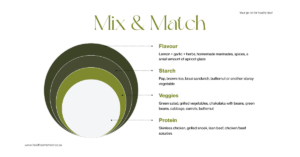
The Healthy Braai Builder (Mix & Match Guide)
Can you eat braai food and still lose weight?
Yes, you can still enjoy a braai when you’re trying to lose weight. How often you have braai food, what you choose to eat, and how much you serve yourself can all make a difference. Enjoy the meat, chicken, or fish, add some vegetables or salad to your plate, and be mindful of your portions, especially if you have braai meals several times a week.
If weight loss is your goal beyond the weekend braai, our 7-day weight loss diet plan shows you what a full week of balanced breakfasts, lunches, dinners and snacks can look like.
Don’t let the snacks before the braai undo your efforts
It is easy to snack while you wait for the braai, especially when bowls of chips, dips, bread, and other treats are around. Before you know it, you may have eaten quite a bit before the main meal is even ready.
Enjoy a small amount of the snacks you like, such as a small handful of chips, a few pieces of biltong, or a small serving of nuts, then focus on your braai plate when the food is ready. Choosing healthy braai ideas such as grilled meat, chicken, fish, vegetables, and salads can help you enjoy the whole experience without feeling like you’ve missed out.
What should a South African diet plan include?
A South African diet plan should include a mix of vegetables, fruit, whole grains, lean protein, and healthy fats. Include a variety of vegetables such as spinach, cabbage, carrots, and green beans, along with fruit, whole-grain bread, oats, or brown rice. For protein, choose options such as beans, lentils, eggs, fish, chicken, and lean cuts of meat. Healthy fats can come from foods such as avocado, nuts, seeds, and olive oil.
Affordable pantry staples that make healthy eating easier
You don’t need expensive or specialized foods to eat well. Affordable staples such as oats, dried beans, lentils, brown rice, whole-wheat pasta, maize meal, potatoes, tinned fish, eggs, peanut butter, and frozen or tinned vegetables can help you build nutritious meals on a budget. Keeping these basics at home makes it easier to put together healthy meals without relying on expensive convenience foods or spending a lot on groceries.
These affordable healthy foods in South Africa can help you stock your kitchen without spending a fortune.
Which South African foods should you eat less often?
You don’t have to avoid any specific South African foods, but some are better enjoyed less often. Foods such as vetkoek, slap chips, commercial boerewors, fried chicken, sweets, and sugary drinks are best enjoyed occasionally rather than as part of your everyday diet.
Portions vs what you eat
Portion size is an important part of healthy eating, even when the foods on your plate are nutritious. Eating healthy doesn’t mean you can eat unlimited amounts, as having too much of any food can still lead to taking in more energy than your body needs.
However, you may be able to eat larger portions of lower-energy foods, such as vegetables and some fruits, compared with foods that are higher in fat, sugar, or calories. The goal is to balance your portions so that your plate includes plenty of nutritious foods without overdoing energy-dense foods (not just eating healthy South African recipes).
Conclusion: Healthy eating starts with your next meal
Healthy eating doesn’t have to mean changing everything you eat or giving up the South African foods you love. Small choices, like adding more vegetables, watching your portions, or choosing a healthier way to prepare your food, can make a difference.
The next time you’re getting together with family or friends around the fire, use The Healthy Braai Builder (Mix & Match Guide) to help you put together a meal you can enjoy. Download and save it so you have it ready whenever the next braai comes around.
Frequently Asked Questions about Healthy South African Recipes
What is the healthiest food in South Africa?
There are plenty of nutritious foods available in South Africa, including spinach, sweet potatoes, beans, lentils, fish, and seasonal fruit. The healthiest choice for you will depend on how the food is prepared and how it fits into the rest of your diet.
What are some healthy meal ideas for South Africa?
You have plenty of healthy South African recipes. You could make chicken bredie, grilled snoek with a salad, or a lentil curry for dinner. A bean salad, vegetable soup, or eggs with toast can also make an easy meal when you want something quick.
What should I eat to lose weight in South Africa?
Choose foods that keep you satisfied, such as vegetables, eggs, chicken, fish, beans, lentils, and whole grains. These foods can help you stay fuller between meals, while smaller portions can help you manage your overall food intake.
Struggling to fit enough protein into your meals? Protein shakes can also be a convenient option.